

THE BASICS OF FERTILIZER DISTRIBUTION
- 22 Mar, 25
- Admin
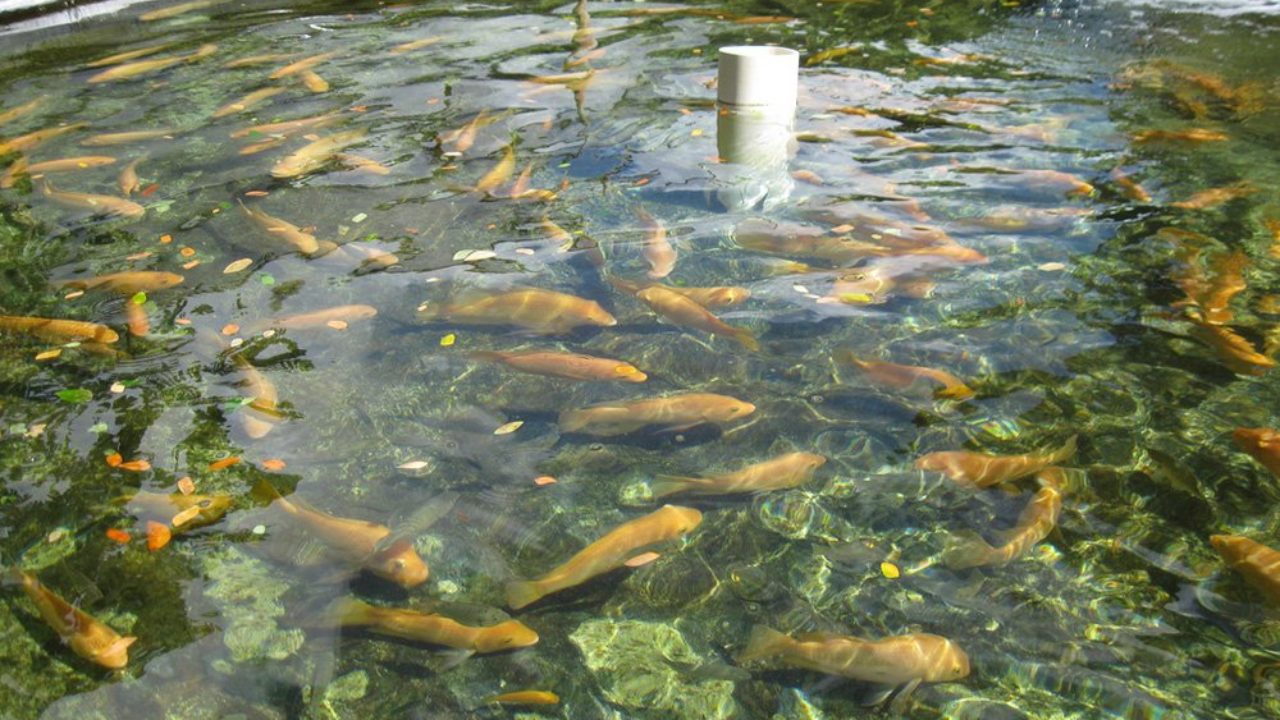
Fish farming or Pisciculture can be defined as the raising or rearing fish for personal or commercial use.
Fish farming or Pisciculture can be defined as the raising or rearing fish for personal or commercial use. Among other businesses, fish farming is a trendy and lucrative business venture in Nigeria. Unsurprisingly, fish is a significant protein source and is widely consumed on a large scale, giving a stable demand all year round. Due to the country's climatic and economic condition, Nigeria fish farming has been restricted over the years to majorly two species of fishes, the tilapia fish and the most common, the catfish. Nigeria has developed from going to streams and oceans to catch fish to sell to building fish farms geared at raising specific fish types for particular purposes. The U.S. Department of Agriculture (USDA) recommends eating up to 8 portions of fish or other seafood each week. A reason for this recommendation is that Catfish and other seafood tend to provide more omega-3 fatty acids than other foods. Although as beneficial as this is, the supply of fish not even close to the high demand.
Thanks to technological advancement, fish farming or rearing can be done profitably both at a large or small scale. The time investment from fish hatchery to harvesting has been genetically and scientifically reduced, allowing for farmers' quick profit turnouts.
Given this, the federal government of Nigeria, in October 2020, made a bold step to announce plans to establish six new "Fish Farming Estates" in Lagos as a bid to increase fish production and promote employment. Also, the Lagos state government, in 2020, announced plans to set up processing centers for fisheries and aquatic sectors to boost further and improve the profit margin of fish farmers in the state and environs.
Categories of Fish Farming
Fish farming may range from 'backyard' subsistence ponds, makeshift containers to large scale industrial enterprises. The structure and the input determine the type of categories needed. There are three categories of fish farming, namely; Extensive, intensive, and semi-intensive.
Extensive fish farming refers to fish farming conducted on medium to large-sized ponds or water bodies. The fish rely on the natural productivity of the water. With this system, production is relatively low. Productivity can be slightly enhanced using supplements and boosters to increase fertility and thus fish production.
Intensive fish farming is restricted to a unit space, where production, feeding, and activities are managed and controlled by the farmer. The fish are fed supplementary feed, while natural food production plays a minor role. This type of fish farming is popular with small scale fish farmers. Intensive fish farming, if managed well, can produce a greater output than extensive fish farming. However, there might be issues of overcrowding, and this can affect the fishes. Disease and contamination can spread quickly in this enclosed system.
Some fish farmer practices Semi-intensive fish farming. They start growing the fish in an intensive system with restricted monitoring; when they get to a particular stage, the fish are introduced to larger sized and more open ponds,
Benefits of Fish Farming
Demand and Supply
Fish in Nigeria sell relatively cheaper than meat products. It sells faster and remains a preferred choice for consumers of livestock for its affordability.
Steady Growth
Fish exhibits a fast and steady growth pattern. Farmers can quicken their fish's growth using supplements and the right feed structure, ensuring that farmers can harvest and sell their fish in a brief period.
Health Benefits
According to The U.S. Department of Agriculture (USDA), Catfish and other seafood tend to provide more omega-3 fatty acids than other foods. Omega 3 cannot be produced by our body; it can only be gotten from external sources. Fishes provide us with high-quality protein for human consumption.
High Revenue Generation
Due to the increased consumption of fish in the country, fish has become popular in household foods and recreational avenues, thereby doubling the profit margin of Fish Farmers. If a million naira is invested into fish farming with proper planning, it can easily be doubled in six months.
Easy to Maintain
Fish farming is easy to maintain if one is equipped with adequate knowledge, expertise, and resources. Although fish farming requires time and dedication, it still is less strenuous compared to other livestock.
Why Catfish Farm
Catfish (also known as Siluriformes) is an easy species to farm in a warm climate. Catfish farming is increasingly becoming an attractive form of agriculture for many Nigerians, especially young people. Due to the relative ease of culturing and the readily available markets for Catfish, this form of agriculture has found a vast followers-base, e.g., with restaurants, especially as Catfish is a treasured delicacy among many Nigerian cultures as well as the profitability of a successful catfish venture. Catfish has protein, omega 3, omega 6, vitamin B12, and other nutrients. Catfish are predominantly salt water, making it easy to farm from the comfort of our home.
Many Nigerians practicing catfish farming use concrete ponds or plastic tanks. However, both methods have their pros and cons. While using concrete pond seems to be more natural to rearing Catfish, plastic tanks can come in handy where space availability is a constraint. Using concrete ponds also gives the farmer the leverage of culturing a relatively larger number of fishes as pond design can be tailored from the outset to match intended fish density. However, tanks are limited in size and fixed, limiting the catfish farmer to stocking the tanks with a restricted number of fishes for best results.
Catfish Farm Setup
African Catfish usually takes an average of 5 months to reach table size. At this age, they typically have attained an average weight of 1kg. Catfish's weight after five months is variable depending on several factors that may include quality of fingerlings used, quality of feeds, water management quality, absence of disease, and stocking density.
The market price of African Catfish is usually gauged per kg-weight of fish. This price varies across several geographical locations in Nigeria. On average, Catfish can be sold for N500/kg in Lagos, N750/kg in Makurdi, and 1000/kg in Abuja. However, Catfish's market is not lacking, irrespective of geographical location; disparities merely occur in Catfish's pricing: which is dependent on the momentum of demand and supply.
Before venturing into catfish farming, it is vital to put some factors into consideration for success. Rearing Catfish is not merely about buying fingerlings and 'dumping' them in a pond and then feeding them 'thrice' a day. From the outset, the farmer should take time to consider the following: Quality of Fingerlings, Pond Design, Feeding Program, Disease, and well as Markets for harvested Catfish.
Quality of Fingerlings
fingerling is a broad term applied to a juvenile fish that is about the size of a finger.
One of the things that determine a successful fish farm is the quality of fish being reared there. Juveniles are of different categories, and we have the shooters (the best of the batches of juvenile); we also have the first class, the second class, the lower second class, and finally, the runts.
There are things to look out for to ensure you always get the best stock from a fish farm when buying fingerlings or juveniles.
When you buy your fingerlings or Juveniles, check to ensure you are not buying the last fish batch. The average fish hatching has about 10,000 fingerlings. The experienced hatcher would start advertising his fishes from fingerlings as he aims to sell them quickly and hatch another batch. Hence he has probably started selling them from fingerlings. The first client who comes to buy would not buy the smallest batch; he would accept the biggest. Hence what is left would be the smaller batch of fishes, regardless of how 'big' they look. The more the fishes left in the pond for sale, the better your chances of getting the batch's best.
Records / Date of Hatching
Hatcheries that keep and can show you their records and calendar schedules are top-notch. It is always good to ask for documents and ask for the fishes' hatching and age's specific dates.
Finally, observe the quality of Broodstocks on the farm. Broodstocks are a group of mature individuals used in aquaculture for breeding purposes. The quality of Broodstocks will tell you how the juveniles will look.
Fingerlings should be bought from recommended farms, especially those that specialize in fingerlings and juveniles' production.
Pond/ Tank Design
Over-crowding catfish would increase competition for resources like food and oxygen. Over-crowding can promote the growth of some fish at the expense of others, leading to eventual cannibalism. A fish farmer ought to
consider an appropriate length, breadth, and depth of the pond, depending on his intended number of fishes to the stock pond. Also, pond design should incorporate provisions for the separation of fishes if growth is non-proportionate. There must be consistent inflow and outflow of "good quality water" to ensure your fishes' optimal development. This means periodic changing of water and pond design should incorporate this from the outset to avoid challenges. Catfishes often get infections through dirty and polluted water.
Feeding Catfish.
The bulk of the cost/ capital for rearing catfish lies in their feeding. Catfish feeds cost an average of ?5500/ 15kg bag. Seven hundred two-month-old Catfish can finish a 15kg bag in just ten days. The secret ingredient in pelleted catfish food is protein. Protein is the ingredient that boosts fish growth to achieve colossal size. Luckily fish feed producers know this; therefore, early starter feed has 40% to 45% protein. Once the juvenile fish eat heartily, they will display rapid growth.
The size of the feed starts from 1 mm -1.5mm – 2mm-4mm and so forth. Make sure to purchase the size the fish can quickly eat without stress. An excellent way to test the right size is to drop a few into the pond; if the fish easily swallows them, their feed is adequate.
Fish ought to be fed twice or three times a day. Quality catfish Feeds can be gotten from online platforms like www.nairaagro.com.
Disease
As humans fall sick, so does catfishes. Fish is a very delicate animal; just like chickens, one must be very vigilant to observe the symptoms. Symptoms like inactivity, loss of color, frayed fins, bloated body, clouded eyes, open sores, red streaks throughout the body, difficult breathing, reddening or inflammation of the skin, etc. It proves that there has been an infection somewhere.
Fungal infections (often secondary to another type of illness) could reveal symptoms such as scratching, erratic swimming, darting, etc. Parasitic infections could show symptoms such as loss of appetite, visible spots or worms, rapid breathing, scratching, inactivity, excess mucus or film on the body, etc.
Cure/Treatment of Catfish Diseases
Firstly, drain the fishpond. The pond water should be drained out and replaced with fresh, unpolluted water. If your fishes are still very young, ensure you gradually introduce the freshwater into your pond to ensure your fishes are not stressed.
Separate dead or inactive fish from others to avoid more contamination. Investigate the feed they are taking.
At times, all you need to do is to stop feeding for a minimum of two days and a maximum of five days if nothing is wrong with your water and feed. Then consult a vet for further investigation
Identifying The Male from The Female
As your fish progress, there is a need to identify a male catfish from the female. The male and female of the African Catfish can be easily recognized. The male has a distinct sexual papilla, elongated and located just behind the anus. This sexual papilla is usually red at the tip for sexually ready males. The genital papilla is a feature of external genitalia in some animals. In fish, it is a small fleshy tube behind the anus, from which the sperm or egg is released.
Harvesting
Some farmers wait till harvest before they contact buyers; this doesn't seem right; fishes not sold during harvest continue to feed even after harvest. Therefore, it is logical to get your market audience ready and conclude on how many fish will be harvested proportional to the demand available Catfish takes up to six months to mature. It is advisable to separate your Catfish. At this age, they usually have attained an average weight of 1kg. Catfish's weight after five months is variable depending on factors that may include quality of fingerlings used, quality of feeds, water management quality, absence of disease, and stocking density. It is not uncommon to have fish weigh up to 1.5kg after five months. During harvesting, decide those that will be used to repopulate the farm. It is inadvisable to sell all mature fish in the pond. Catfish can be harvested using nets meshes or perforated baskets.
Catfish's target market includes restaurants, hotels, markets, social joints, and bars and homes.
Conclusion
Fish farming does come with a significant load of dedication, commitment, and capital. However, it has become a trend in the country, providing financial support and employment opportunities. Fish farming has been responsible for many abandoned land spaces being utilized for fish rearing and cultivation, making fallow land productive. The government has commenced efforts to improve fish farming, thereby giving room for youths to tap into this source of wealth even from a small scale level.
Fun Fact: Catfish Can live 15-18 hours out of water.
For question and contribution, please mail us at blog@nairaagro.com
You need to Login OR Register for comment.
Comments (0)